
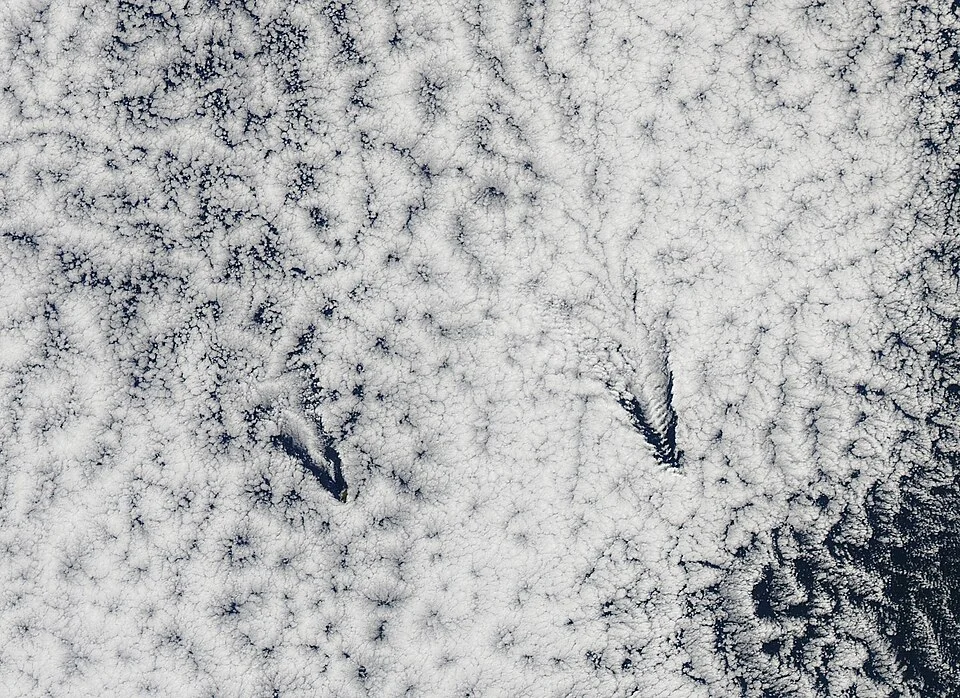
Biosphere Reserve since 1977: the recognition that does not stop deterioration
UNESCO declared the Juan Fernández Archipelago a Biosphere Reserve in 1977, recognizing its 60% species-level endemism rate. However, pressure from introduced fauna and flora remains the main threat to this unique ecosystem.
In 1977, UNESCO included the Juan Fernández Archipelago in its network of Biosphere Reserves, acknowledging what scientists had known for decades: this small group of volcanic islands in the South Pacific holds a level of biodiversity and endemism unmatched by any other comparably sized island in the world. With 60% of plant species endemic and ecosystems unlike any other, the recognition was more than deserved.
What it means to be a Biosphere Reserve
UNESCO Biosphere Reserves are territories recognized for their biodiversity value and as living laboratories for sustainable development. The status does not grant direct legal protection — that remains the responsibility of states — but creates a framework for international collaboration in research, monitoring, and environmental education. Robinson Crusoe is also part of Chile's National System of Protected Wild Areas (SNASPE) as a National Park.
The recognition that is not enough
Nearly five decades after the designation, the ecosystem is in worse condition than in 1977. Invasive flora now covers 80 to 90% of the forest area. The fur seal population recovered, but the firecrown is critically endangered. Tree fern ecosystems are retreating before invasive species. The paradox is clear: international recognition exists, but resources and on-the-ground enforcement capacity have historically been insufficient.
A shared heritage
The archipelago is home to around 900 people in San Juan Bautista, the only town in the archipelago. The local economy depends almost entirely on lobster fishing and tourism. Ecosystem conservation is not just an environmental imperative — it is the very foundation of the economic sustainability of its inhabitants. Without native forests, endemic fauna, and clean waters, the island loses the unique appeal that makes it what it is.
Biosphere Reserve status should be the starting point of an ambitious conservation strategy, not an honorary title. The clock keeps ticking.